Past Reviews Sound Advice Reviews Five cast albums: |
|
|
Here are five cast albums; the first three have the spectre of death hanging over them, but the last two are cheerier. Curtain up first on Opening Night about an actress who becomes haunted by the ghostly presence of a fan she sees getting killed. Into the Sun brings us into the death-filled realities of World War I. The death in Deathless is that of a woman whose mourning husband and daughters head to Niagara Falls to scatter her ashes. Coincidentally, Niagara Falls and an inn nearby are the settings for the lighter Welcome to the Big Dipper, with characters including another widower with a daughter (and there are the voices of other departed souls). Finally, the often brash Bronco Billy has a female protagonist grieving over her father's death while other folks are out to kill her. It was recently produced in London, was recorded live, concerns performers, and has an earlier history as a film–four things it has in common with the far more serious project we look at first.
"The course of true love never did run smooth," as a character in Shakespeare observed, and equally bumpy and challenging can be the path to the premiere of a play. In the story of a recent musical with a compelling cast album, the road leads to problems for Myrtle, the lead actress in a show preparing for its Broadway premiere. She can't relate to her character's problems, and there's tension with the playwright, director, and her co-star–who is her ex. Added to that, there's the trauma of an ardent autograph-seeking fan being fatally struck by a car before her eyes, and she soon begins to think she's being visited by intrusive apparitions of that girl. The story was first presented as a film in 1977, and the stage musical adaptation retains the name of its writer/director in its official title, bowing in London last year as John Cassavetes' "Opening Night". Ivo van Hove, who directed non-musical stage incarnations earlier in this century (using the movie's script, translated into Dutch) is also the director and bookwriter of the musical. A fair amount of dialogue is included on the recording, all within the song tracks, many of which are dominated by Sheridan Smith's magnetic star performance as the burdened actress. Artful music and the lyrics (included in the CD's booklet) are by Rufus Wainwright, who also did the vocal arrangements and the especially effective, drama-fueled orchestrations for the nine-person orchestra which is led by its pianist, Nigel Lilley. As the increasingly unhappy and unreliable Myrtle, leading lady Sheridan Smith's performance is compelling as the character's anguish accelerates, dejectedness leads to drunkenness, and someone wistfully poignant becomes worthy of pity. It's often raw. But before the dark clouds of drama descend, her early solo about the "Magic" of theatre allows for a more positive point of view, expressing the excitement and nerves that are part of working on a play. Then, in the kinetic track titled "One Shot," there's singing and dialogue ("That is your job. You're the director. Do it!") and we hear the anticipation and antagonism. Conflicts and confrontations continue, tempers flare, sparks fly, and there's more than one battle of wills. A sense of claustrophobia and voyeurism, being pulled into the emotional quicksand and turbulence, is increased by the inclusion of arguments in dialogue and some haunting musical accompaniment (such as the barebones guitar strumming on the first part of Sheridan Smith's pained plea, "Ready for Battle"). Hearing the London audience's applause on this live recording (taped over several performances) snaps us back to our reality. It seems like you can almost hear them hold their breath at times, too. There is intensity in numerous tracks, with the singing of Shira Haas as the dead fan, Nancy, projecting an appropriately otherworldly presence in "I Forgive You." Amy Lennox makes a strong impression with a particularly compelling vocal timbre capturing melancholy and resignation in her solo about being "Married." Other participants provide potent punch, too, including Benjamin Walker, John Marquez, and Nicola Hughes. Thought-provoking songs about life beyond theatre are "There Is Something to Be Said for Being Young" and "Moths to a Flame." In its unapologetically dark look at struggle and strife behind Broadway's bright lights and perceived heights, Opening Night can seem like an open wound. Singer-songwriter Rufus Wainwright is magnetic on the two bonus demo performances which follow the 17 tracks by the company. His distinctive voice and his long-established ability to fuse sighing melancholy and sharp observations in his own performances and recordings are very much present in his own renderings of "Moths to a Flame" and "Talk to Me," the latter shared vocally with the affecting Petra Haden. Musical theatre fans may be aware that Opening Night's own opening night was not a harbinger of a long run; it closed earlier than planned and received some negative reviews, with objections to the prominent use of projected filmed footage of the characters competing with and overwhelming the live action. An advantage of audio-only documentation of musicals is that a variety of visual elements, special effects, plot twists, staging, and much dialogue can't compete for our attention. We can focus on what, at the end of the day, is often the major strength: the score as presented by the vocalists and musicians. Rufus Wainwright's own new recording as a performer consists of his interpretations of the work of composer Kurt Weill, and his concert tour includes an engagement in Manhattan next month at Café Carlyle.
Different aspects of wartime–the battlefront, the homefront, soldiers and their loved ones being separated, the mission, the fears, and the fatalities–are addressed in the striking musical about World War I, Into the Sun. Adding period-specific legacy content to the songs is that several of the songs' lyrics incorporate poems about the war by writers of the era, some of whom were killed in the battles. The piece does not just rely on shared reactions of nameless people (military troops and groups of anti-war protestors), but puts faces and gives backstories to several fictional protagonists facing the challenges and tragedies. Set in Europe, the story follows a few individual soldiers and a woman named Mary who is the sister of one and the fiancée of another, along with others they encounter and form connections with. Unlike some plays and movies featuring major soldier characters at war, presenting them sympathetically and/or heroically, not all the men in this tale survive. And certainly it doesn't focus on glorifying war as a purely noble calling to serve one's country and nations aligned to fight a common enemy, giving shorter shrift to the cost in lives lost and long-lasting nightmarish memories. As if to reinforce the theory that war may not be a political panacea, Into the Sun takes its title from the first line of a poem called "Futility" by Wilfred Owen about soldiers hoping that the sun's rays may revive a fallen comrade. This 14-track digital release with a sturdy studio cast singing (four men and four women) has a downloadable booklet that contains all the lyrics and a plot synopsis, with the original titles and writers of the poems acknowledged. Multi-tasking Michael Gubser wrote the musical's book and much of the score, ably plays two supporting characters and sings in ensemble numbers, is co-credited with the orchestrations and productions of the album, and is one of three instrumentalists. He's heard on piano, trumpet and trombone. Joe Purdue, who plays piano and guitar, as well as other instruments, is his co-producer and co-orchestrator. Paolo Prandoni, who is the guitarist, is co-writer on four of the songs, working on first drafts and initially conceiving the show. The musical has had developmental presentations and a weekend of fully staged performances this past June in Virginia, where Mr. Gubser lives, performs, and teaches–guess what–European history. Derived from the same-named poems, the ensemble songs "In Flanders Field" (referencing the cemetery) and "Peace" address some of the millions of deaths. In addition to the sobering numbers that address the woes of war, there are sunnier (more naive) items: peppy marches, morale boosters, and catchy calls to arms. "Soldiers" encapsulates pride and imagined success while "I'll Follow You" and "Why Can't I Go, Too?"–both led forcefully by Olivia Mae Ward–express a woman's wish to actively participate. Peyton Weil gets the recording's sole solo, the plaintive plight of a prostitute, "Marie's Theme." She and Harry Winchester are both solid on "Someone." A touching duet sung by Michali Dantes and Toby Shellard, "Brother in Arms," is a lovely moment, but listeners might not pick up on it being related to a same-sex soldier crush without the benefit of the plot synopsis. As the death toll rises, the level of enthusiasm for the fight becomes lower, and the musical turns its attention to public protests, with an "Antiwar Medley," a combination of poems and original material. The last scene of Into the Sun takes place on November 11, 1918 when the war finally ends. The bittersweet song "Armistice Day," sung by the company, acknowledges the peace agreement while presenting the play's surviving characters mourning the other protagonists who were killed, as laments compete with cheers. And cheers are deserved for this promising recording of a musical that may concern one devastating war, but its emotional and thought-provoking content ring true with relevance when we consider what's involved with being involved in any war.
In the intriguing musical Deathless, set in the future, there's a line in a song called "Gone" that goes, "Nothing makes you want to kill yourself quite like a family road trip." But the frustrated 19-year-old character, Hayley, who states this from the backseat of the car is not literally considering suicide. No, quite the contrary–she and others in the story are debating whether to live forever! It's an option, thanks to a simple pill approved by the government. And the actual death that's on the minds of all the characters is that of Hayley's much-missed mother, Michelle. In this piece by Zack Zadek (music, lyrics, and book), there are scenes and musical numbers presenting the family's journeys along the same highway, headed for Niagara Falls: both when Michelle was alive and their first vacation after her passing, to bring her ashes to this family-favorite spot. The strongly propulsive undercurrent in the musical accompaniment for some selections effectively suggests the even but speedy movement of an automobile. (Orchestrations are by Mr. Zadek and Justin Goldner.) While the score has been described in the publicity for the recording as something in the genre of "indie rock," it's arguably sampling a somewhat wider range of musical styles. The singers heard on this new studio cast release are the same ones who made up the cast of the one-month run at Connecticut's Goodspeed Opera House in 2017. The impactful recording presents a formidable, talented company with good chemistry: Sara Kays in the role of angsty Hayley; Maia Reficco as her older sister; Nicolette Robinson and Jeremy Jordan as their parents (Michelle and Kevin); and Kevin Atwood as Hayley's tag-along friend. The brief spoken material, heard as news on the car radio, is handled by actual media figures (Chuck Todd, Michael Steele, and Joanna Stern). While the songs and story address processing the possibility of eternal life in "Live Forever," "On We Go," and other spots, mourning Michelle and mundane matters are on the minds of the characters in Deathless, too. Interactions in the family dynamics involve arguments and memories, activities to pass the time ("The License Plate Game"), and comments as banal as that question typically addressed to the driver during long car trips: "Are we there yet?" Underneath it all, there's the history made up of years of affection, shared experiences, sibling rivalry, and the very different perspectives of the characters. Some musical themes recur as do key words, such as "forever" (used colloquially and in the new context of really meaning endlessly). Also well used is the impact of repetition when a truism resists–but needs–acceptance. Some examples of this appear in more than one song: "She's gone, gone, gone, gone, gone"; "For a moment, I'm with you"; "Who knows if that is true?"; the lure of "Niagara in spring"; and "I was so young, I was so young, I was so young./ And we were so alive, so alive, so alive." That last one comes in "A Life," with Jeremy Jordan delivering palpable emotion as his character's shell of avoidance cracks, reliving early memories of his late wife. In the material heard on the recording, there isn't a big discussion or debate about religious beliefs. However, the stakes are higher if we can infer that any or all of the characters subscribe to the comforting religious belief that, after people die, they have some kind of reunion (in Heaven?) with loved ones who died earlier. For Michelle's survivors, taking the pill would mean forfeiting the chance to have that scenario. Will the act of bringing her ashes to Niagara Falls be the true farewell with nothing to follow? In any case, it's not easy to predict what decision someone might make (and why) when it comes to a hypothetical situation regarding metaphysical matters. However, the persuasive performances of the authentic-feeling material on this recording make it pretty easy to predict that Deathless itself may have a long afterlife.
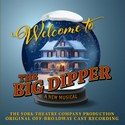
While the well-crafted score of Welcome to The Big Dipper brings a welcome addition to the musical theatre canon, the show itself has a dizzying amount of stuff going on. There are 11 performers playing 21 separate characters with different issues, including two who aren't alive and a heard-but-not-seen telephone operator. Among the living is a woman named Joan, who runs an inn in which two groups of people seek lodging when their vehicles crash into each other during a blizzard. The guests include the Amish Amos, who tersely sums up his ongoing sadness, singing the couplet, "I lost my wife two years ago./ Now grief in the night is all I know." His daughter, Rebecca, is fascinated by the story of Annie Edson Taylor, the first woman who, inside a barrel, went over Niagara Falls–which is located near the establishment. A room there is named for her. The voice of Annie, dead for more than a century, is heard harmonizing with Rebecca, who falls in love with Joan's son, Dez, and they go off together to Niagara Falls. There's a permanent resident named Mr. Sapper and a real estate broker ready to close the deal to sell the property, and then there are a couple of other Amish people as well as the busload of men with two names each because they dress as women (and were on their way to a talent contest) and their trans choreographer who has a crush on one of them. For those attending the show, it's a lot to take in at the inn and be confused by (or frustrated by if you want to get to know more about the individuals and their backstories). Happily, listeners to this audio souvenir of the Off-Broadway production (at Manhattan's York Theatre Company) can likely be satisfied with its evident strengths: the ear-pleasing melodies; deft rhyming lyrics; some good voices with personality; glowing vocal harmonies; and the accompaniment by a fine four-piece band with the swell orchestrations of Doug Katsaros and led by keyboardist Beth Falcone, joined by players on reeds, bass, and viola. (Did I mention that Viola is also the name of a deceased character who's heard from?) The show's full production was preceded by workshops and readings, as well as a presentation at NAMT (National Alliance for Musical Theatre), all in the decade prior to the current one. It may have some underdeveloped aspects and oversimplified ones, but there's a terrifically polished, old-school musical comedy sensibility about the melodies by Jimmy Roberts as well as the lyrics, which are, primarily, also his work, with some contributions by John Daggett, who co-wrote the book with Catherine Filloux. Her non-musical play from 2004 was the genesis of the project. The album doesn't evidence much emphasis on tension, hostilities, or prejudice with the opportunity for drama in the culture clash among diverse groups. As the protective Amish father, Robert Cuccioli gets one grand stentorian solo about horse-drawn "Carriages," his fears, his dreams, and daughter Rebecca. She is played by warm-voiced Mia Pinero. When Dez (portrayed charmingly by Christian Magby) is instantly infatuated by her, he sings her name a few times with the kind of rapture that recalls Tony in West Side Story intoning the name of Maria. Their duet, sung when they go to Niagara Falls, has an interesting message, but stating it six times in the lyric is overkill ("'It's Not Running Away' when you're running to someone or somewhere you know you belong.") While the men whose lifestyle includes a desire to dress as women and adopting female names don't appear to be deeply explored or mocked, considerable focus goes to the character played by Michael Yeshion panicking about his proclivities being discovered by his wife. Singing with gravitas is handled impressively by Debra Walton as Joan and Darius Harper as Mr. Sapper, as their rich voices rewardingly deliver late-in-the-saga moving numbers. And a finale that reprises and reinforces the legacy of the historic inn, proudly called a "Sanctuary," also flashes forward to acknowledge the deaths of the older characters.
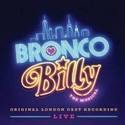
Bang! Bang! Fasten your gun belt and get set for a sometimes wild trip–the rowdy "Ride with Us" is the ensemble's opening number–through a fast-moving story about performing cowboy types in a ragtag troupe and those they encounter. This first recording of the score represents last year's London cast, recorded live in performance and, judging by the appreciative laughter and enthusiastic applause, the audience was indeed happily along for the ride. The piece keeps shifting tones: from peppy to pensive, from silly to sincere, with musical genres that segue from country to disco to power ballads to traditional theatre "I want" songs. Bronco Billy: The Musical includes characters who mourn a death, confess to causing a death, are dead set on committing murder for pay, and those involved in performing a gun-toting/death-defying act. There are also nods to an earnest "follow your dream" theme. Bronco Billy's titular character runs and performs in a wildly unsuccessful traveling Wild West show. In this role, Tarinn Callender brings high energy as he leads group numbers; in his solos, sensitivity reigns with "Just a Dance" and the determined "I'm Gonna Be Strong." The showfolk cross paths with a woman named Antoinette (vibrant Emily Benjamin) who is grieving the death of her father ("I Miss You"), but is on the run from those seeking to bump her off in order to be next in line to get her hefty inheritance. What follows includes mayhem, merriment, bonding, revelations, a talent contest, danger, and disco. The plot has changed somewhat from the storyline of its source, the same-titled 1980 film that had a screenplay by Dennis Hacklin, who is the stage musical's bookwriter. (Some dialogue is heard on this cast album.) The likeable songs are by Chip Rosenbloom and John Torres, with additional lyrics by Michele Brourman. Pianist/music director Marcus Carter is part of a lively six-member band. The 25-track recording is overflowing with songs and performances that seem to be on a mission to entertain and engage, whether tickling your funnybone or touching your heart. Victoria Hamilton-Barritt's deliciously over-the-top comic villain portrayal reaches its zenith in fits of frustration in the declaration "Mama's Done with Sweet" (one of four numbers that is reprised). An arrestingly tender moment comes with Helen K Wint's solo, "Look in the Mirror," a calm respite from the romps. There's even a commercial jingle for a candy company with a line in it that becomes a carpe diem mantra motivator, "Tomorrow Starts Today," and one lyric quickly and cutely works in the name of Clint Eastwood, a shout-out to the man who starred in and directed the original movie. From an Eastwood film to a westward stage expansion (a 2019 California production of this musical with a different cast) to the Off West End run, there may be no end in sight for Bronco Billy. |
|
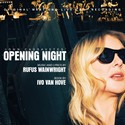 JOHN CASSAVETES'
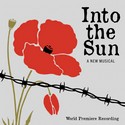 INTO THE SUN: A NEW MUSICAL
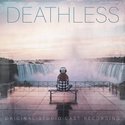 DEATHLESS
 WELCOME TO THE BIG DIPPER
 BRONCO BILLY